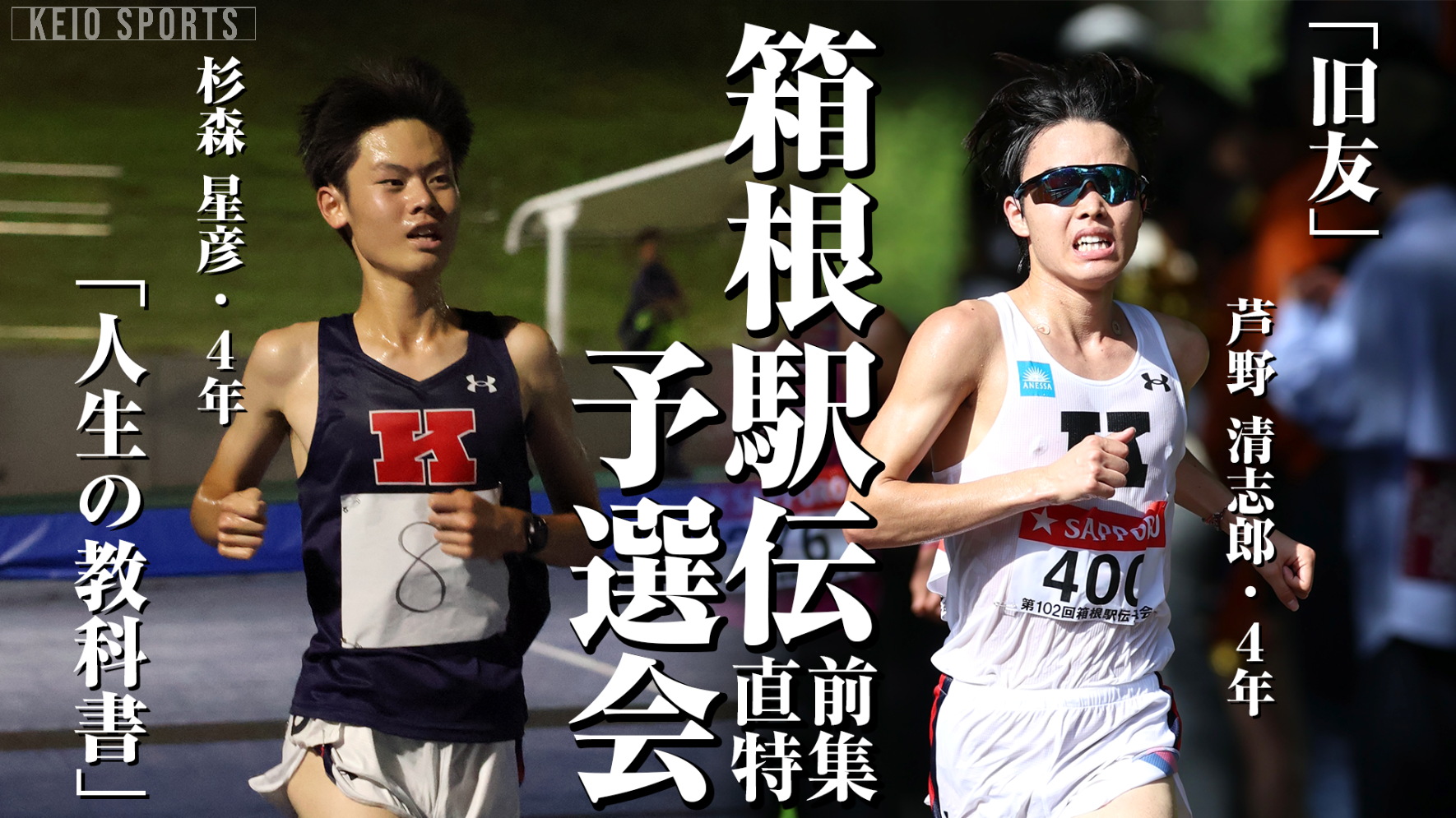
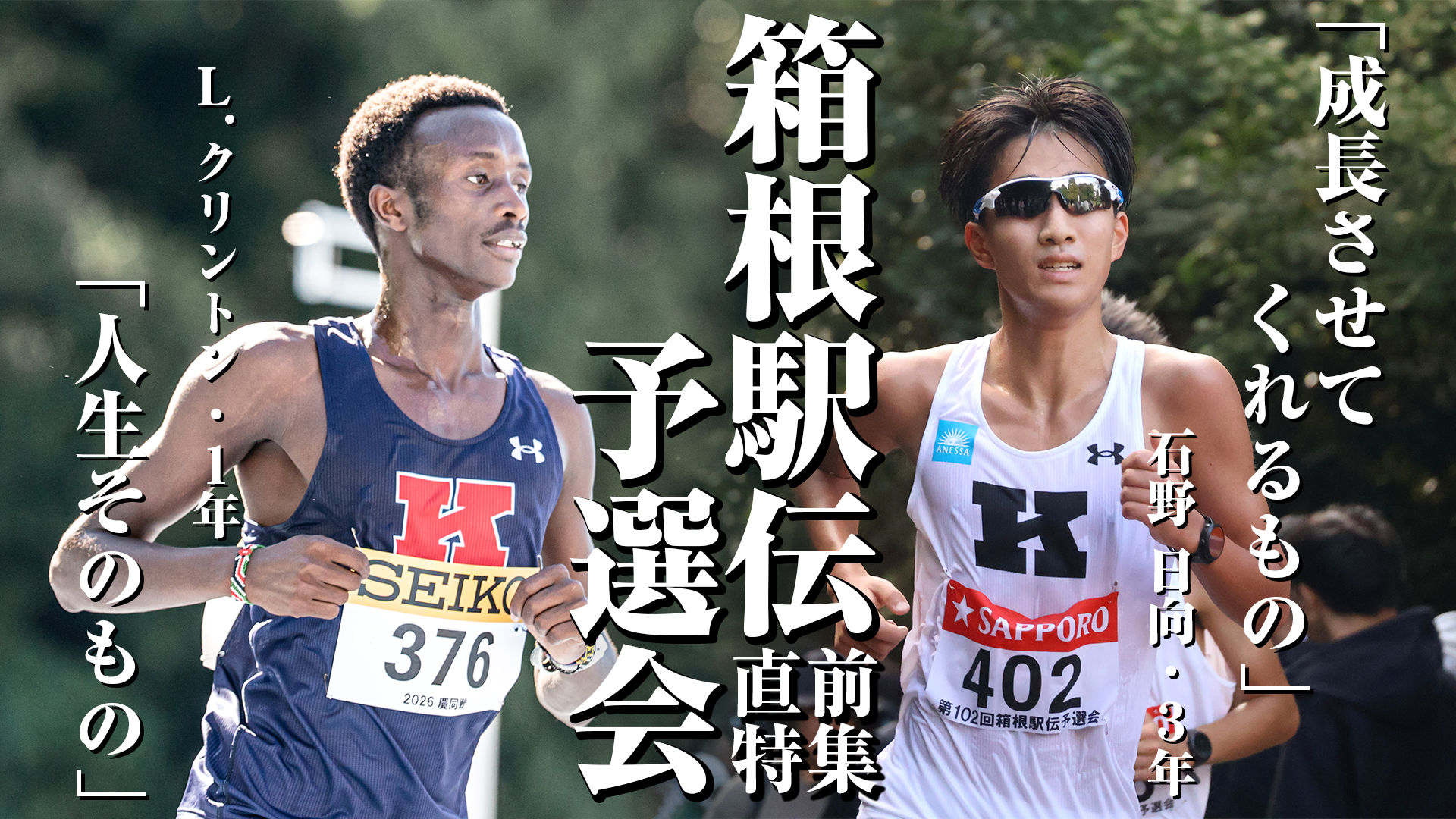
10月17日に開催される箱根駅伝予選会。本企画では、予選会での活躍が期待される9人の選手にインタビューを行いました。
今回話を伺ったのは、競走部随一の英語力を誇る石野日向(商3・県立横浜国際)選手と慶大競走部初の留学生・L. クリントン(環1・M-pesa Foundation Academy)選手。新たな縁、そしてこれまで積み重ねてきた確かな鍛錬を胸に予選会へと挑む二人が見せる、予選会への熱い思いに注目です!(今回のインタビューは主に英語で実施しました)
クリントン選手のお写真は競走部より提供していただきました。
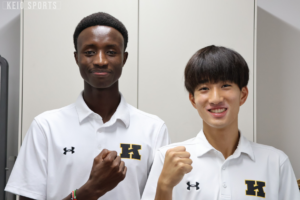 左:CLINTON LEMASHON /クリントン・レマション
(環1・M-pesa Foundation Academy)
右:ISHINO HINATA/石野日向(商3・県立横浜国際)
(Can you please introduce each other?)
石野:クリントンは、とても真面目でいい人です。いつも礼儀正しく、チームメイトとも馴染もうと頑張ってくれています。中には英語が分からないメンバーもいますが、お互いにコミュニケーションを取って関わろうとしています。言葉の壁があることで、これから大変なこともたくさんあると思いますが、それでもいつも優しく、礼儀正しく接しようとしているところが彼のすごいところだと思います。日本に来てからの彼の人柄を、僕たちは本当に誇りに思っています。
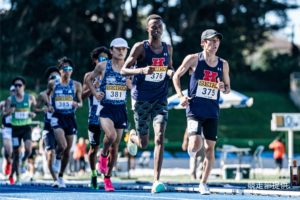
慶同戦でのクリントン
競技面では、慶同戦で、初めての10kmのトラックレースだったにもかかわらず、素晴らしい走りを見せてくれました。彼にとってはかなり難しいレースだったと思います。それでもあれだけの走りができるので、彼の潜在能力の高さを感じています。これから一緒に練習できることを本当に楽しみにしています。
おそらく2カ月後にはAチームに入ってくると思いますし、その頃には僕よりも速く、強くなっているんじゃないかと思います。これからも頑張ってほしいです。
クリントン:日向さんは、僕がこれまで出会った人の中でも、特に謙虚で、優しく、いつも親身になって支えてくれる人です。チームで僕が最初に関わったメンバーの1人で、知り合ってからもう2年近くになります。初めて会って話したのは、昨年の2月でした。
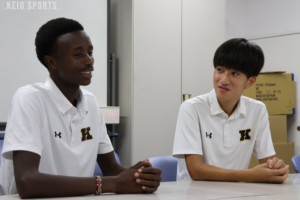 日向さんは本当にいい人です。たくさんの人を僕に紹介してくれましたし、日本についてもいろいろなことを教えてくれました。日本に来てから、こちらでの生活に慣れるまでの間も、ずっと支えてくれた一人です。
日向さんのおかげで、日本という国やその文化についてたくさんのことを学ぶことができましたし、日本での生活にも少しずつ慣れていくことができました。
As for his athletic ability, he showed a top performance at the Doshisha University meet, even though it was his first 10K track race, which I think was very difficult for him. His potential is very high, so I’m really looking forward to training with him in the upcoming days. He will probably join the A team in two months, and I think he will be faster and stronger than me. So, I hope he’ll do his best.
Clinton:Hinata-san is one of the most humble, supportive, and kindest people I’ve ever met. He is one of the first members of the team that I interacted with, and I’ve known him for almost two years now. We first met and talked to each other in February last year.
Hinata is a very good person. He has introduced me to so many people and taught me so many things about Japan. He has been very supportive and is one of the people who helped me settle here in Japan. Thanks to him, I’ve been able to learn so many things about the country and its culture and get used to many things here.
(Things you talk about with each other.)
石野:僕はチームの中で一番英語が話せるので、クリントンと一緒にいる時間も長く、よく一緒にジョギングをしています。ジョギングをしながら、日本の文化や建築について話すことが多いです。彼は日本の文化や日本に対する探求心がすごく強くて、知らないものを見つけると、いつも「これは何?」と僕に聞いてきます。
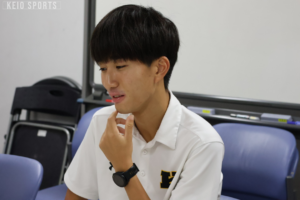 僕も日本人ではありますが、日本について知らないことはたくさんあるので、答えるのが難しい質問をされることもあります。例えば昨日、多摩川沿いを走っていたら、キヤノンの建物があったんです。たぶん本社か何かだったと思うのですが、彼から「キヤノンの本社なの?」と聞かれました。でも、僕も詳しく知らなかったので、答えるのがなかなか難しかったです(笑)。
クリントン:陸上やスポーツのことはもちろん、日本での生活がどんなものなのかなど、日常生活についてもいろいろなことを話します。日向さんには、日本語を学ぶ上でもたくさん助けてもらっています。「これは日本語で何て言うの?」とか、「これはどう訳せばいい?」といったことをよく聞いています。
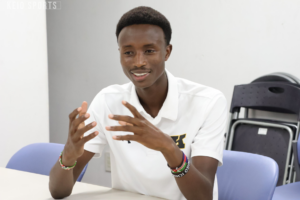 一緒に街を歩いているときには、見かけた会社や建物について聞くのも好きです。例えば、「この建物はどこの会社が持っているの?」とか、「ここにはどんな会社が入っているの?」といったことを聞きます。交通機関について話すこともあります。電車や地下鉄がどうやって動いているのか、どうやって目的地まで行くのか、料金の支払い方はどうなっているのか、といったことです。カードをタッチして支払うことも僕にとっては新しいので、そういうことも教えてもらっています。本当にいろいろなことを話していて、お互いに学び合っているという感じです。
Even though I’m Japanese, there are many things I don’t know about Japan, so some of his questions are quite difficult to answer. For example, yesterday, we went jogging along the Tamagawa, and there was a Canon building. I think it was the headquarters or something like that. He asked me, “Is that the headquarters of Canon?” But I didn’t know much about it, so it was quite difficult to answer. But yeah, he asks me a lot of questions about the new things he sees in Japan.
Clinton:We talk about a variety of things, such as track and sports, as well as life in general, like what life is like in Japan. He also helps me a lot with learning Japanese. Most of the time, I ask him things like, “How do you say this in Japanese?” or “How would you translate this?” So we talk about a lot of different things.
When we go around the city, I also like asking him about the companies and buildings we see. For example, I ask him who owns a particular building or what kind of company is there. We also talk about the transportation system. For example, I ask him about the trains and subway system, how they operate, how to get from one place to another, and how the payment system works. Things like tapping your card are all new to me. So, we talk about so many different things, and we’re really learning from each other.
(Is there anything else you’d like to know about each other?)
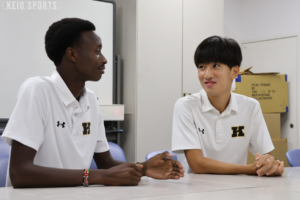 クリントン:日向さんは、競走部に入って3年くらいになりますよね?
石野:そうですね。
クリントン:では、日向さんがこの部活で1番好きなところは何ですか?
石野:うーん、面白い質問ですね。僕は、この競走部が誰にでも開かれているところが好きです。例えば、涼太(田口涼太、政3・慶應志木)も大学に入るまでは陸上をやっていなかったですよね。一方で、他大学では、日本人選手でもスポーツ推薦などの制度があります。
僕自身、高校から陸上を始めたので、日本の強豪大学の陸上競技部を見ていると、もし慶應に入っていなかったら、そうしたチームで陸上を続けることはできなかったと思います。慶應の競走部は、経験や種目に関係なく、いろいろな選手を受け入れてくれます。
そういう意味で、誰でも挑戦できる環境があることは、この部活の大きな魅力だと思います。特に、高校から陸上を始めた選手や、大学でも陸上を続けたいと思っている高校生にとっては、すごく魅力的な環境だと思います。
クリントン:つまり、誰でも受け入れてくれる部活ということですね。
石野:そうです。誰でも。
クリントン:日向さん自身もそうですよね。
石野:そうですね(笑)。じゃあ、僕からも質問です。今学期、いくつか授業を履修したと思うけれど、その中で1番興味を持っている授業や、楽しみにしている授業は?
クリントン:最初は少し履修で戸惑いました。自分で時間割を組むという仕組みに慣れていなかったからです。ケニアでは、自分で時間割を作ることはなく、最初から決められた時間割に沿って授業を受けていました。なので、自分で授業を選んだりする必要がなかったんです。
でも、SFCでは全然違います。毎学期、自分で授業を確認して、受けたいものを選ばなければいけません。最初は、どういう仕組みなのか、どのくらい授業を取ればいいのかを理解するのが少し大変でした。必修科目もありますし、次の学年に進むためには、決められた数の単位を取得する必要もあります。
ただ、先輩たちがすごく手厚くサポートしてくれています。履修する授業を選ぶところから、大学のシステムをどう使えばいいのかまで、いろいろと助けてもらいました。なので、今ではかなり仕組みにも慣れてきました。特にGIGAプログラムについては、もう準備万端で、今週から勉強を始める準備ができています。
石野:どんな分野の授業を取る予定ですか?
クリントン:主にビジネス系やIT系の授業を取る予定で、あとはいくつか理系の授業も取ります。
Ishino:Yes, yes.
Clinton: So, what would you say is the thing you love most about track and field and the club?
Ishino:Hmm, that’s an interesting question. For me, I think I love this team, or this club, because anyone can join our track and field club. Because even Ryota wasn’t a runner before entering Keio University. But at other universities, as I told you, they have recommendation systems for athletes, even for Japanese runners.
When I look at the strong track and field teams in Japan, even though I started running in high school, I wouldn’t have been able to join those teams if I hadn’t entered Keio. Keio University is open to various runners, jumpers, and throwers. So I think that is one of the most important and attractive things about our club, especially for high school students.
Clinton:So, what you’re saying is that the club is open to everyone.
Ishino:Yes. Everyone.
Clinton:Like you.
Ishino: Yeah. So, my question is, I think you’ve registered for some classes this semester. Which class are you most interested in or looking forward to?
Clinton:So, first of all, it was a bit confusing because I wasn’t used to a system where you create your own timetable. In Kenya, we didn’t create our own timetables. The timetable was already set for us, so we didn’t have to choose our courses and things like that.
But here at SFC, things are very different. You have to go through the courses and choose the ones you want to take each semester. So, it was a bit challenging at first to understand how the system works and how many courses you’re supposed to take. There are also mandatory courses and a certain number of credits that you have to earn before you can move on to the next year.
However, we have a very strong support system from the senior students. They have done a lot to help us choose our courses and understand how to navigate the system. So I think I’m pretty familiar with how things work now, especially with the GIGA program. I think I’m all set and ready to start learning from this week.
Ishino:What kind of subjects are you most likely to take?
Clinton:Oh, yeah. So, I’m mostly taking business-related and IT-related courses, as well as a few science courses.
(What does athletics mean to you?)
石野:僕にとって陸上は、いろいろな面で自分自身を成長させてくれるものです。単に競技力を高めるだけではありません。長距離走では、ジョギングやランニングなど、継続的にトレーニングをする必要があります。サッカーやバスケットボールのように、特定の技術を練習する競技とは違って、長距離走では、練習がきつくて「今日はやりたくない」と思うような時でも、自分を追い込み続けることが大切です。
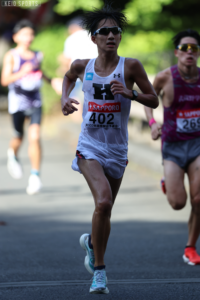
「自分自身を成長させてくれるもの」
この競技を始めて、走るようになってから、目標について考えたり、そこにどうやってたどり着くかを考えたりするようになりました。目標を達成するためには、あらかじめ計画を立てて、何をすべきなのかを考える必要があります。
例えば、僕たちは箱根駅伝への出場を目指していますが、そこにたどり着くまでには、やらなければならないことがたくさんあります。慶應はここ30年ほど箱根駅伝に出場できていないので、変えていかなければならないことや、改善すべきこともたくさんあります。
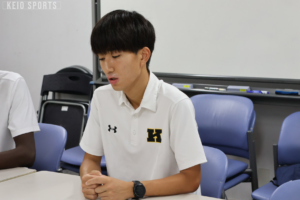 そうしたことをチームメイトと話し合いながら、一緒に成長しようとしています。こうした考え方は、陸上だけでなく、これから先の人生でも大切なものだと思います。社会人になって仕事を始めたときにも、こうした考え方は自分のキャリアにとってすごく重要になると思います。
だから、僕にとって陸上は、ただ速く走るためだけのものではありません。陸上を通して、新しい物事の考え方を身につけることができました。
クリントン:僕にとって陸上は、人生そのものを映し出しているようなものです。陸上は、人生とすごく似ていると思うからです。例えば、陸上ではレースを走りますが、人生も一つのレースのようなものだと思います。何かを成し遂げたいのであれば、そのために準備をしなければなりません。陸上でいう「トレーニング」は、まさにその準備に当たると思います。
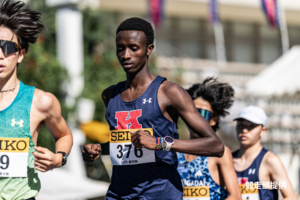
「人生そのものを映し出しているようなもの」
レースにはスタートとゴールがあって、その間には必ず困難があります。走り始めて、ある程度のところまで来ると、すごく疲れてしまうこともあります。「もうやめたい」「レースから離れたい」と思うこともある。人生もまさに同じだと思います。疲れ果てて、「もう諦めたい」と思ってしまうような状況は、人生の中でもあります。だから、僕は陸上を人生そのものを映し出すものだと考えています。
そして、陸上を通して学んだことを、普段の生活にも生かしています。陸上では、困難に立ち向かうための「復元力」、つまり、途中で直面するさまざまな困難を乗り越えていく力が必要です。けがや挫折、疲れ、体力的なきつさなど、いろいろな困難があります。
復元力は人生においてもとても重要です。なぜなら、困難から逃げ続けることはできないからです。困難は必ずやってくるので、それにどう向き合い、どう乗り越えていくかを学ばなければなりません。
そして、もう一つ大切なのが「規律」です。陸上で結果を出すためには、規律を持って取り組むことが必要です。僕がここでいう規律というのは、トレーニングを継続することです。継続することが大切で、週に2回しか練習していないのに、世界記録を破ったり、大きく成長したりすることはできません。例えば、朝6時に走る予定があるなら、「今日は起きたくないな」と先延ばしにするのではなく、決めた時間に起きて走る。そのためには、自分自身を律する力が必要です。陸上は、どんな場面でも自分に必要な規律を教えてくれるものだと思います。何かに取り組むときに、自分自身を奮い立たせるためには、そうした規律が必要です。
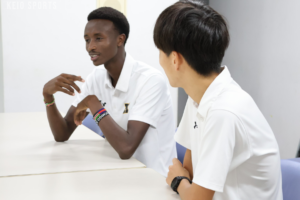
「復元力」と「規律」
僕にとって陸上は、そういうものです。陸上を通して、困難を乗り越える力や、自分を律する力を学ぶことができる。そして、そこから得たものは、人生のあらゆる場面で生かせると思います。
Since I started this sport and running, I’ve learned to think more about my goals and how to achieve them. You need to plan beforehand and think about what you need to do to reach your goals. For example, we are trying to qualify for the Hakone Ekiden, but there are many things we need to do before that. Keio University has not qualified for the Hakone Ekiden for about 30 years, so there are many things we need to change and improve.
We discuss these things with our team members and try to improve ourselves together. I think this way of thinking is meaningful not only in athletics, but also in the future. When I start working, I think this way of thinking will be very important for my career.
So, athletics is not only about running faster. It has also given me a new way of thinking.
Clinton:For me, I see athletics as a true reflection of life in general. Simply because athletics is a lot like life. In athletics, for example, it’s like a race. Life is like a race. If you want to achieve something, you have to prepare for it, and that is what training is about in athletics.
There is a start and an end to a race, and in between, there are always challenges. You start the race, reach a certain point, and sometimes you feel very tired. You feel like giving up or withdrawing from the race. That is exactly how life is. There are situations in life when you feel like giving up because you are just tired and exhausted. So, I see athletics as a true reflection of life.
I use the lessons I’ve learned through athletics. In athletics, you need resilience—the ability to cope with the challenges you face along the way, whether they are injuries, setbacks, tiredness, fatigue, or other difficulties. Resilience is very important in life because you can never run away from challenges. Challenges will always be there, so you have to learn how to cope with them and deal with them.
And then there is discipline. Discipline is what drives a person to succeed in athletics. When I talk about discipline, I mean being consistent with your training. You have to be consistent because there is no way you can train twice a week and expect to break a world record or make significant improvements.
If you have a morning run at 6 a.m., you need the discipline to get up and do it at that specific time instead of procrastinating and saying, “I don’t feel like waking up today.” Athletics teaches you the discipline you need to have for yourself in every part of your life. We need that discipline to push ourselves in whatever we do.
So, that is generally how I see athletics. It teaches us resilience and discipline, and those lessons can be applied to every part of our lives.
取材:水野翔馬、野田誉志樹、中原亜季帆
記事:水野翔馬、中原亜季帆、中島冬奈
編集:野田誉志樹、中原亜季帆